


Blog
I Experienced Stonevegas Casino Using Screen Reader Accessibility for UK


I work as a journalist who reports on digital access, so I wanted to evaluate a popular online casino to the test. My plan was simple: employ a screen reader to explore Stonevegas Casino from a UK IP address, the same way a visually impaired person would. I utilized the NVDA screen reader and my keyboard, staying my hands off the mouse. I aimed to hear if I could set up an account, discover games, and understand the rules using only sound and tab keys.
What makes Screen Reader Testing Counts for UK Gamblers
The UK Gambling Commission’s regulations state that operators need to make their services available to people with disabilities. This is a legal requirement, not a suggestion. Around two million people in the UK have sight loss, and many rely on tools like JAWS, NVDA, or VoiceOver to navigate the internet. Testing a casino with a screen reader shows whether it provides a fair experience or just gives empty promises about accessibility.
There’s a practical side, too. An accessible site attracts more players and shows a brand prioritizes all its customers. I tested Stonevegas to move past any marketing talk and see the actual experience of using assistive tech. I needed to know if I could register, deposit money, find a game, and read the bonus rules under UK regulations.
Exploring the Hall and Locating Games
This is where any online casino’s accessibility gets difficult. The Stonevegas game lobby is a busy, visual space loaded with categories and flashing promo boxes. Using my keyboard, I could navigate through the main category buttons for Slots, Live Casino, and Table Games. The screen reader read out each one, but the enormous number of games was a problem. I could not visually scan for a title. I had to use the search box, which operated properly with my keyboard.
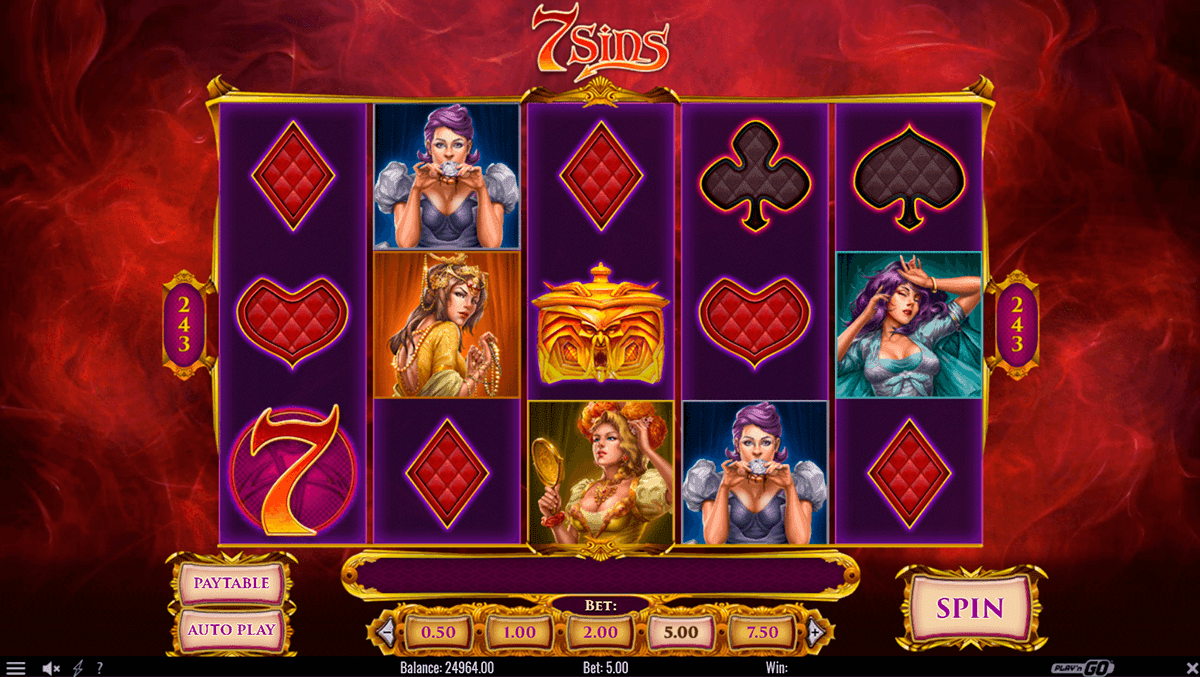
I observed that the images for the games often had poor alt text. It would say something like « game image » or a file name instead of « Starburst slot icon ». Without a decent description, I had to click into a game just to find out its name. Once inside a slot game, the screen reader encountered a wall. The game area where the reels spin is almost never available to assistive technology. Playing the actual game without sight was not possible. This is a typical problem across the industry for these graphic-heavy games.
Ease of Access in Different Game Types
My experience changed completely depending on the game. Standard video slots were not accessible for play because of their graphical nature. The ‘Table Games’ section seemed more hopeful. A basic blackjack or roulette game, with distinct buttons for ‘Hit’ or ‘Stand’, could be made more accessible. I did not find any text-based versions at Stonevegas, though. The live casino was the toughest. The video feed and the dealer’s rapid chatter provided nothing for my screen reader to interpret.
Opening Views: Entry Page and Registration
When I opened the Stonevegas homepage, the screen reader activated. It began with the logo and main menu, which appeared logical. I could tab to major links like ‘Login’ and ‘Sign Up’ without much trouble. Some of the promotional text was read as one giant, run-on sentence, which is hard to follow. The sign-up form was the initial obstacle. Each field, for email and password and so on, featured a distinct label. I managed to complete the whole process without turning my screen back on.
The form required standard UK details: postcode and date of birth for age checks. The screen reader recognized each box and announced which ones were mandatory. I could check the terms and conditions box with my keyboard, and it was announced correctly. After I sent, a clear confirmation message was read out. This first step felt promising. It felt as though someone had focused on accessibility when they developed the site’s skeleton.
My Setup and Testing Methodology
I performed my tests across various days on a Windows PC. I employed the NVDA screen reader and the Chrome browser, and I set my monitor off to lean completely on audio. I used a detailed checklist that included the whole user journey. I created an account for a new account, deposited a modest amount with a UK debit card, activated the welcome bonus, and tested a selection of games for a couple of hours.
Primary Areas of Attention During Navigation
I observed for whether the site’s code offered my screen reader helpful information https://stonevegas.eu.com/. Did it have well-defined headings? Did links function out of context? Were buttons and form fields correctly labelled? I also monitored if I could move through the site in a logical order using the Tab key. A messy layout is irritating for anyone, but if you’re browsing by ear, it can halt you completely.
Particular Technical Checks I Executed
I looked for ARIA landmarks, which work like road signs for screen readers. I examined if images had informative alt text explaining game icons or ads. I evaluated form fields to see if error messages were spoken aloud. I also monitored how the screen reader handled live updates or pop-up notifications. Did they interrupt the flow of speech, or could I comprehend them as they appeared?

Financial Management and Money Transactions
Managing my account and money was easier. The ‘My Account’ area had a well-organized list of links for Deposit, Withdrawal, and Transaction History. Clicking deposit opened a window with UK payment options like Visa, Mastercard, and PayPal. I could pick each one with my keyboard. The input fields for card numbers were marked well, and the screen reader clearly announced the prompt for my CVV security code.
Withdrawing had a similar, clear path. The transaction history page listed everything in a format my screen reader could process. It read out each line with the date, amount, and status one by one. This kind of clarity is essential for every player, but it’s critical for someone tracking their spending by ear. The clean design here was a refreshing change from the noisy game lobby. It showed that the simpler, form-based pages were built with more care.
Promotions, Deals, and the Critical Fine Print
Comprehending bonus rules is essential for any player. For someone using a screen reader, it’s a significantly larger obstacle. I navigated to the promotions page to get the welcome offer. The screen reader read out the bonus headline and I could press the claim button. But the full terms were hidden behind a clickable link. When I accessed it, I faced a solid wall of text with no breaks or sub-headings. Hearing it was exhausting.
Important details like the 35x wagering requirements, which games counted, and the time limits were all hidden in that dense block. Attempting to understand and retain those complex conditions from one listen is nearly impossible. This underscores a major flaw. Real accessibility means understanding content, not just pressing buttons. The industry has to present complex legal terms in a organized, digestible way.
- The bonus title and claim button worked with my keyboard.
- The full terms were behind an expandable link.
- Those terms were one huge unformatted paragraph.
- Key details like the 35x wagering were hidden in the noise.
- There was no clear summary or clear fact box.
Overall Assessment: Strong Points and Major Gaps
Testing Stonevegas Casino revealed a site with a reasonable accessibility foundation that falls short where it matters most. The advantages are in the practical, operational areas. Setting up an account, moving money, and checking your history are tasks you can complete with a screen reader. The basic HTML structure for these static pages seems to follow good practice. If you just need to deposit and see your balance, the site functions.
The gaps, however, are hard to ignore. They lie right at the heart of what a casino is for: the games. Not being able to access the slots or follow the live dealer streams excludes visually impaired users from most of what’s on offer. Then there’s the bonus terms, presented in a way that blocks understanding. Stonevegas isn’t the only casino with these problems. Fixing them would be a real step toward inclusion for UK players.
