


Blog
Casino Legiano Signs of Problem Gambling for Belgium Players


I work as a responsible gambling advisor with Legiano Casino, and I have witnessed firsthand how crucial it remains for players in Belgium to recognize the early symptoms of problem gambling. Gambling needs to be recreation, plain and simple. For some individuals, though, it transforms into something that damages financial health, emotional health, and close connections. I encourage every player to approach gaming with complete caution about the risks and to lean on the preventive tools Legiano Casino puts in your hands. Spotting the early markers is the first move toward keeping control. In this article, I will take you through the most common warning signs, outline how our site promotes safer gaming, and point you toward trusted Belgian resources that can assist if gambling ever begins to feel more serious than a pastime.
The function of Legiano Casino in Fostering Safe Play
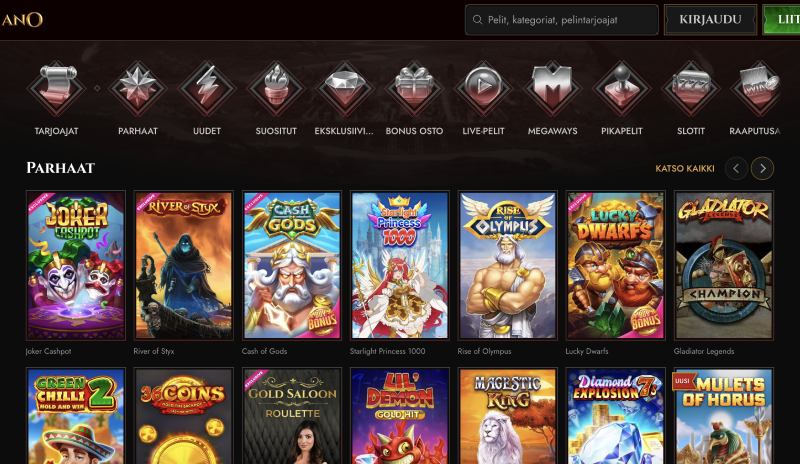
I take pride in the fact that Legiano Casino weaves responsible gambling tools straight into the player experience. Our platform is structured to place control over your gaming habits, and I urge every Belgian player to get familiar with the features we offer. These tools are not simply boxes to tick; they are effective safeguards that can significantly help in how you manage your time and money. From setting personal limits to taking a full break, the options are crafted to promote safer play without stripping the enjoyment out of the game. I recommend you to use them actively, even if you believe your gambling is under control right now.
Adjusting Your Limits
At Legiano Casino, you can establish daily, weekly, or monthly deposit limits that prevent you from surpassing an amount you are at ease with. I also advise setting loss limits and wager limits, which prevent you from chasing losses past a certain threshold. Session time limits are simply as valuable, as they assist you to walk away from the screen before fatigue or frustration appears. In Belgium, where the pace of life can be demanding, these reminders are a effective way to keep gambling in its proper place. I advise checking your limits regularly and modifying them as your financial situation or personal circumstances shift.
Taking a Break with Self-Exclusion
When you need a longer pause, I suggest using the self‑exclusion and cooling‑off tools available on our platform. A cooling‑off period lets you briefly block access to your account for a fixed number of days, offering you space to think without the urge to log in. If you believe the habit has become unmanageable, self‑exclusion gives a more permanent barrier. I have observed many Belgian players benefit from this step, as it eliminates the immediate pressure and establishes a clear window for obtaining extra support. Reality checks and session reminders also serve as gentle nudges to remain mindful of the time you use playing.
What Defines Problem Gambling?
Problem gambling goes beyond losing money. It is a behavioural condition where an individual keeps gambling despite the consequences. In Belgium, the Belgian Gaming Commission supervises all licensed operators and stresses the significance of early detection. I define problem gambling as being unable to manage how often you play, how long you stay, and how much you wager. When the activity stops being a choice and turns into a compulsion, the threat rises. Many players in Belgium do not recognize they have crossed a line until the damage shows up in bank statements or personal relationships. Recognizing what counts as problem gambling helps you differentiate healthy fun from patterns that need a closer look.
The Difference Between Enjoyment and Dependency
I often put it like this: a recreational player determines a budget, Legiano Casino, takes pleasure in the session, and walks away without emotional baggage. A dependent player becomes anxious when not gambling, continually dwells on the next chance to play, and pursues the emotional highs that come with a win. The shift from enjoyment to dependency happens bit by bit, and occasional wins can conceal it. In Belgium, where gambling is easy to access online and in physical venues, it is easy to miss the moment a hobby transforms into a coping mechanism. I recommend every player to check in with themselves regularly. Ask whether gambling still feels like a pleasant pastime or has become a source of tension.
Recognizing the Initial Warning Signs
Noticing the early warning signs could halt a manageable habit from escalating into a serious problem. I have watched many players in Belgium dismiss small changes in their behaviour because they seem severe at first. But minor adjustments in how you organise time, your emotional state, and your honesty with loved ones often point to deeper trouble. Paying attention to these signals gives you a chance to step in before the consequences turn critical. The indicators I describe below come from patterns I have seen over and over in my advisory work, and they match the indicators used by Belgian support organisations.
Conduct Red Flags
- Spending increasing amounts of time on gambling sites, often at the expense of work or family obligations.
- Fabricating to friends or family members about how much time or money is spent on gambling.
- Experiencing restless, irritable, or on edge when trying to cut back or stop gambling altogether.
- Borrowing money, selling possessions, or using credit cards to finance gambling sessions.
- Overlooking hobbies, social events, or personal care because gambling takes priority.
Emotional Signals
Emotional changes often follow the behavioural signs, and I find them just as important to notice. A player who once gambled for fun may start feeling guilt or shame after a session, even when losses are small. Anxiety about recovering lost money can take over their thoughts, and the wait for the next game can feel like a desperate need instead of an exciting prospect. In Belgium, where the pressure to keep finances stable runs high, these emotional currents can gnaw at self-esteem fast. If you detect ongoing irritability after gambling or a hollow feeling when you are not playing, consider those feelings as serious warning signals.
The ways Problem Gambling Impacts Relationships
I have observed problem gambling slowly eat away at the trust and connection that maintain relationships together. When a player in Belgium gets preoccupied with betting, partners, children, and close friends often become pushed to the side. Secrecy about losses and time spent gambling builds a wall that is hard to break down. The emotional toll spreads beyond the individual, and I have seen families grapple with anxiety, anger, and a deep sense of betrayal. Recognising the relational impact is a critical step, because it often motivates people to seek help not just for themselves but for the people they care about.
Strained Social Connections

I often get feedback from players who are caught off guard by how much their gambling has impacted those around them. Social withdrawal, missed family events, and cancelled plans become the norm when gambling takes centre stage. Conversations that once felt open and honest get replaced by defensiveness or silence. In Belgium, where community and family ties carry real weight, this isolation can cut deep. I urge you to listen to feedback from loved ones. If several people express concern about your gambling habits, their observations are likely pointing to a pattern you may not fully see yourself.
- Ongoing arguments with a partner or family members about time and money spent on gambling.
- Avoiding social gatherings or family meals to gamble online or visit a gaming venue.
- Loss of trust after broken promises to stop or reduce gambling.
- Personal distance between you and the people who were once closest to you.
Financial Indicators You Ought Not To Ignore
Monetary harm is one of the most straightforward consequences of problem gambling to quantify, and I encourage every player in Belgium to check bank and gaming account statements with complete honesty. When gambling spending creeps past what you would comfortably drop on a night out, it is time to take a break and think. I have seen cases where people dip into savings, put off bill payments, or secure loans just to keep playing. These financial red flags do not appear out of nowhere, but they tend to compound once a player starts chasing losses. Understanding the financial indicators helps you establish firm boundaries before the damage becomes permanent.
Spending Beyond Entertainment Budgets
I always advise treating gambling like any other leisure expense. If you catch yourself allocating money meant for groceries, rent, or utility bills, you have crossed an important line. In Belgium, household budgets are often carefully planned, and any shift can create lasting stress. When you consistently surpass your pre-set entertainment budget, the gambling is no longer recreational. I advise using the deposit limit tools available at Legiano Casino to cap your spending and to review your monthly outgoings with full honesty. A simple budget check can reveal whether your gambling still lies in the realm of affordable fun.
Chasing Losses
- Adding more money immediately after a loss in an attempt to recoup what was lost.
- Using credit cards, overdrafts, or personal loans specifically to finance gambling sessions.
- Being dishonest to family members or partners about the amount of money lost or the true state of your finances.
- Putting first gambling payments over essential expenses such as mortgage, rent, or medical bills.
- Feeling a sense of urgency or panic when you cannot place a bet to recover previous losses.
Belgium’s Resources and Support Networks
I want to guarantee every reader in Belgium knows clearly where to turn if gambling starts to turn like too much. The country has a strong network of helplines, counselling services, and regulatory bodies dedicated to reducing gambling harm. I have worked alongside several of these organisations and can confirm they offer confidential, non‑judgmental support in the country’s official languages. Tapping into local help is often the fastest way to regain control, and I recommend keeping these contact details even if you do not need them today. Being prepared is a signal of strength, not weakness.
Support Lines and Counselling Services
- SOS Gokken (Dutch‑speaking): call 0800 35 060 or visit the website for free, anonymous guidance.
- SOS Jeux (French‑speaking): reach out at 0800 35 060 for confidential support in French.
- Tele‑Onthaal offers a listening ear at 106 for anyone in emotional distress, including gambling‑related concerns.
- De Druglijn offers information and advice on gambling addiction alongside substance‑related issues.
Self-Banning Programs
In Belgium, the Excluded Persons Information System (EPIS) permits you to voluntarily ban yourself from all licensed land‑based casinos, gaming halls, and betting shops. I view this as one of the most powerful tools accessible to players who acknowledge they need a complete break from any gambling environment. Registration is handled through the Belgian Gaming Commission, and the process is intended to be straightforward and respectful of your privacy. Once you are listed in EPIS, operators are legally required to deny you entry, which eliminates the daily struggle of willpower. I recommend combining this with the online self‑exclusion tools at Legiano Casino for comprehensive protection.
The Belgian Gaming Commission
The Belgian Gaming Commission is the regulatory authority that oversees all gambling activities in the country, and I often point players to its website for official information. It releases lists of licensed operators, clarifies the legal framework, and provides educational materials on responsible gambling. If you have concerns about a particular venue or online platform, the Commission can guide you on how to file a complaint. I regard the Commission as a cornerstone of player protection in Belgium, and its resources are available in Dutch, French, and German. deze gedetailleerde gids Acquainting yourself with its role reinforces the fact that you are not alone in this journey.
Measures to Undertake When You Suspect a Problem
Once you start to recognize that gambling is no longer a safe pastime, responding early can significantly change the outcome. I have guided many individuals in Belgium through this experience, and I know the first step is frequently the most challenging. It requires you to look at your behaviors with clear eyes and realize that a winnipegfreepress.com shift is required. I want to reassure you that asking for help is never a mark of weakness; it is a responsible decision that safeguards your life. The strategies I outline below are realistic, feasible, and based in the assistance systems already accessible to you.
Personal Reflection and Honest Reflection
I advise arranging quiet time to ask yourself a few simple questions. Do you ever deceived about the amount of time or money you use gambling? Do you feel restless or anxious when you seek to cease? Are your gambling habits caused difficulties with your money or relationships? Answering these questions honestly, without blame, gives you a clear view of where you stand. In Belgium, you can as well use the self-evaluation tools provided by local helplines to gain an objective view. I think honest reflection is the foundation of every successful recovery plan, and it enables you to make the next steps with clarity.
Reaching Out for Professional Help
When you accept the need for change, I urge you to contact a professional who specializes in gambling addiction. Belgium has qualified counsellors and therapists who comprehend the cultural context and can offer sessions in your preferred language. Whether you opt for a helpline, a face‑to‑face appointment, or an online support group, the key is to break the isolation that problem gambling creates. I have seen how quickly a supportive conversation can shift a person’s perspective and open the door to practical solutions. Legiano Casino also provides links to these services, and I recommend using them as a bridge to professional care.
- Admit that gambling has become a struggle and give yourself permission to seek help without shame.
- Use the self‑exclusion and limit tools on your Legiano Casino account to create immediate boundaries.
- Discuss to a trusted friend, family member, or counsellor about what you are experiencing.
- Call a Belgian helpline such as SOS Gokken or SOS Jeux for confidential, professional guidance.
- Consider longer‑term support through therapy or recovery groups that focus on sustainable behavioural change.
